
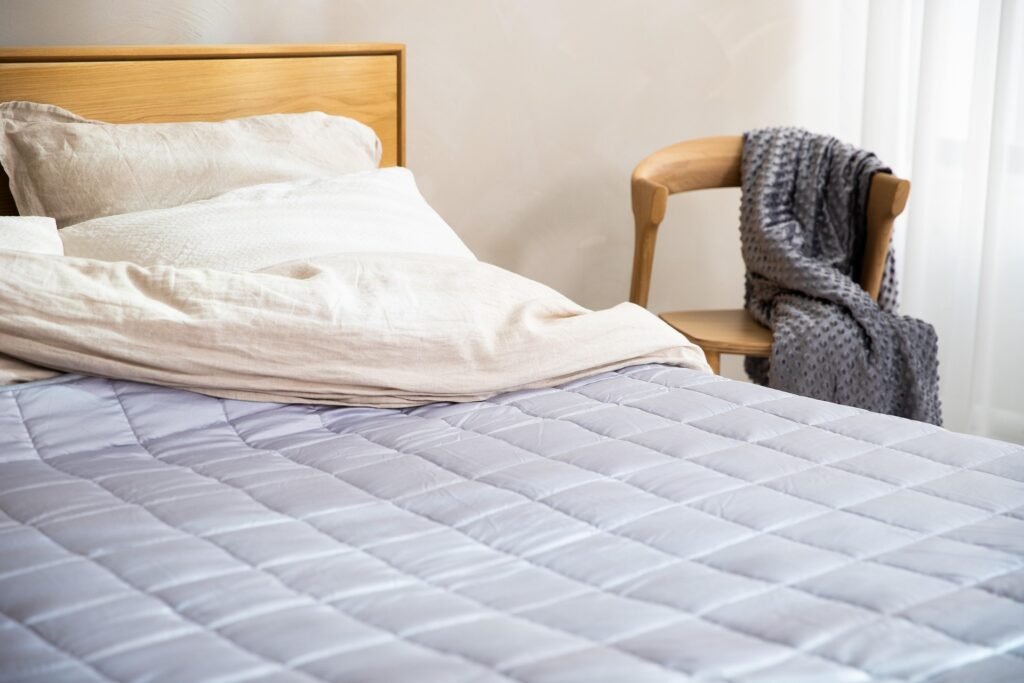
When people shop for a mattress, they usually focus on firmness, foam layers, or spring systems, yet the outer material often receives far less attention. In reality, mattress fabric plays a major role in comfort, durability, hygiene, and overall sleep quality. It forms the immediate surface that comes into contact with the sleeper, influencing breathability, temperature control, and tactile feel throughout the night. The textile structure, fiber composition, and finishing treatments determine how well the mattress performs over time.
A high-quality covering material protects internal components from dust, friction, and wear. It also contributes to moisture management, allergen resistance, and visual appeal. Whether it is smooth and stretchable or thick and quilted, the covering layer sets expectations for comfort before the sleeper even notices the support core. Manufacturers increasingly experiment with advanced textile engineering to combine softness with performance properties such as antimicrobial protection or enhanced airflow.
In many modern products, innovative materials such as knitted fabric mattress constructions or advanced blends provide flexibility and elasticity. These coverings stretch alongside foam layers, allowing the mattress to contour to the body without resistance. Meanwhile, traditional weaves like mattress ticking fabric are valued for their strength and structured appearance. Each option serves a specific functional purpose, highlighting how textile selection can shape the sleeping experience in meaningful ways.
Understanding Cover Materials and Why They Matter
Mattress Fabric Options Based on Construction
A wide range of textiles is used to produce coverings, each engineered to balance comfort and resilience. Cotton remains a classic choice due to its natural softness and breathability. Polyester blends are common because they are cost-effective and durable. Bamboo-derived fibers have gained popularity for their sustainability and moisture-wicking qualities, while viscose blends offer smoothness and sheen.
Among contemporary innovations, knitted modern bedding textile has emerged as a preferred solution. Its looped structure creates elasticity that allows the surface to stretch easily, enhancing pressure relief. This type of knitted breathable sleep surface material design often pairs with memory foam layers because it adapts to body movement without restricting contouring. In contrast, woven constructions provide stability and resistance to deformation, giving the surface a firmer, more structured feel.
Another important category includes mattress quilting mattress covering must withstand, where layers of fiberfill or foam are stitched together with the outer textile. This creates texture, cushioning, and thermal insulation. Many manufacturers rely on quilted fabric for modern bedding textile covers to add visual depth and luxurious comfort while protecting the interior from mechanical stress.
Types of covering must withstand Used in Modern Sleep Products
Beyond structural categories, textiles may be engineered for specialized performance. Mattress ticking fabric traditionally refers to tightly woven materials designed to encase and protect internal layers. Modern ticking may incorporate synthetic blends, antimicrobial finishes, or stretch properties to align with evolving consumer expectations. These coverings act as barriers against contaminants while preserving flexibility.
Hybrid constructions combining knit elasticity and woven reinforcement are also common. They offer a balance between softness and durability, especially in premium segments. Through fiber innovation and finishing processes, manufacturers can create coverings that regulate temperature, minimize odor, or improve moisture transport. The variety of material choices demonstrates how technological development continues to redefine possibilities in mattress surface engineering.
Fabric Options Based on Construction
Physical Sensation and Mattress Fabric Interaction
Comfort perception begins with touch, making surface material crucial to user satisfaction. The tactile softness or firmness of mattress fabric affects how inviting a bed feels when first used. Stretchable surfaces such as knitted high-quality mattress textile enhance ergonomic support by allowing foam layers beneath to mold closely to the sleeper’s shape. This responsiveness can reduce pressure points and encourage better spinal alignment during rest.
On the other hand, structured textiles like mattress ticking fabric create a more stable sensation. While less elastic, they provide consistency and longevity, which some sleepers prefer. The addition of padding through mattress quilting fabric contributes plushness and depth, improving perceived luxury and cushioning. Each textile choice therefore influences both tactile experience and biomechanical support.
Functional Specialty Textiles in Mattress Design
Sleep quality is heavily linked to thermal comfort. Fabrics that promote airflow and wick moisture help maintain an optimal microclimate around the body. Breathable fibers and open-knit structures allow heat to dissipate more effectively, preventing discomfort caused by overheating. In many cases, knitted fabric mattress surfaces are engineered with ventilation channels that support airflow.
Conversely, dense or heavily insulated textiles may trap warmth. While this can benefit users in cooler climates, excessive heat retention may disrupt rest in warmer environments. Designers address this challenge by combining quilted fabric for mattress surfaces with cooling treatments or breathable backing layers. Through careful selection and layering, textile engineers ensure coverings enhance rather than hinder restorative sleep.
Temperature Regulation Through Mattress Fabric
Advantages of Breathable Mattress Fabric
Breathability refers to the ability of textile structures to allow air and moisture vapor to pass through. Highly breathable mattress fabric helps regulate humidity, reducing sweat buildup and promoting hygiene. Natural fibers and open-loop knit designs excel in this regard. Knitted mattress covering material plays frequently provides superior ventilation due to its flexible structure and porous geometry.
Enhanced airflow not only improves comfort but also minimizes microbial growth by preventing damp conditions. Sleep environments with proper ventilation often feel fresher and contribute to overall well-being. Many manufacturers therefore prioritize breathable materials when targeting premium comfort segments.
Limitations of Non-Breathable Mattress Fabric
In contrast, non-breathable surfaces restrict airflow, potentially leading to heat accumulation. Some synthetic coatings or tightly woven mattress ticking fabric designs emphasize durability and containment at the expense of ventilation. While effective for structural integrity or allergen control, these textiles may require complementary ventilation strategies to maintain comfort.
However, non-breathable options are not inherently inferior. Their insulating qualities can provide warmth, and their protective nature increases resistance to wear. When paired with advanced mattress quilting fabric, they can balance comfort and longevity. Ultimately, suitability depends on climate, sleeper preference, and intended application.
Durability Considerations in Mattress Fabric Selection
Structural Strength and Mattress Fabric Longevity
Durability is essential for maintaining product value and user satisfaction over time. High-performance mattress fabric must withstand constant pressure, friction, and environmental exposure. Polyester blends and reinforced weaves often demonstrate superior resistance to tearing and abrasion. Mattress ticking fabric, known for its tight construction, exemplifies this strength and is widely used in protective encasements.
Stretch materials also require resilience. While knitted mattress textile selection surfaces offer flexibility, their yarn quality and finishing treatments determine how well they resist pilling or deformation. Advanced manufacturing processes enhance tensile strength, ensuring elastic coverings retain their shape through repeated use.
Maintenance and Wear Resistance in Mattress Fabric
Longevity also depends on resistance to stains, fading, and microbial degradation. Protective coatings and fiber blends improve cleanability and preserve visual appeal. Quilted surfaces created with quilted fabric for mattress structures distribute stress across stitched layers, reducing localized wear. Likewise, robust mattress quilting fabric can prevent compression of cushioning materials, extending functional lifespan.
Manufacturers balance softness and strength by combining multiple textiles within one product. This layered approach ensures outer surfaces remain comfortable while underlying structures maintain integrity. By selecting appropriate materials and finishes, designers create coverings capable of enduring years of nightly use without significant performance loss.
Conclusion
The role of mattress fabric extends far beyond aesthetics. It shapes tactile sensation, temperature balance, hygiene, and structural durability — all factors that contribute to restful sleep. From stretchable knitted mattress fabric that enhances contouring to protective mattress ticking fabric designed for strength, textile selection reflects careful engineering decisions. The cushioning benefits of mattress quilting fabric and the plush depth of quilted fabric for mattress surfaces further illustrate how surface materials influence both comfort and longevity.
Understanding these textile dynamics empowers consumers and manufacturers alike to make informed choices. By prioritizing breathability, durability, and ergonomic compatibility, one can ensure the mattress covering complements internal support systems. Ultimately, the outer layer is not merely decorative — it is an integral component shaping the entire sleep experience.